
Restorations
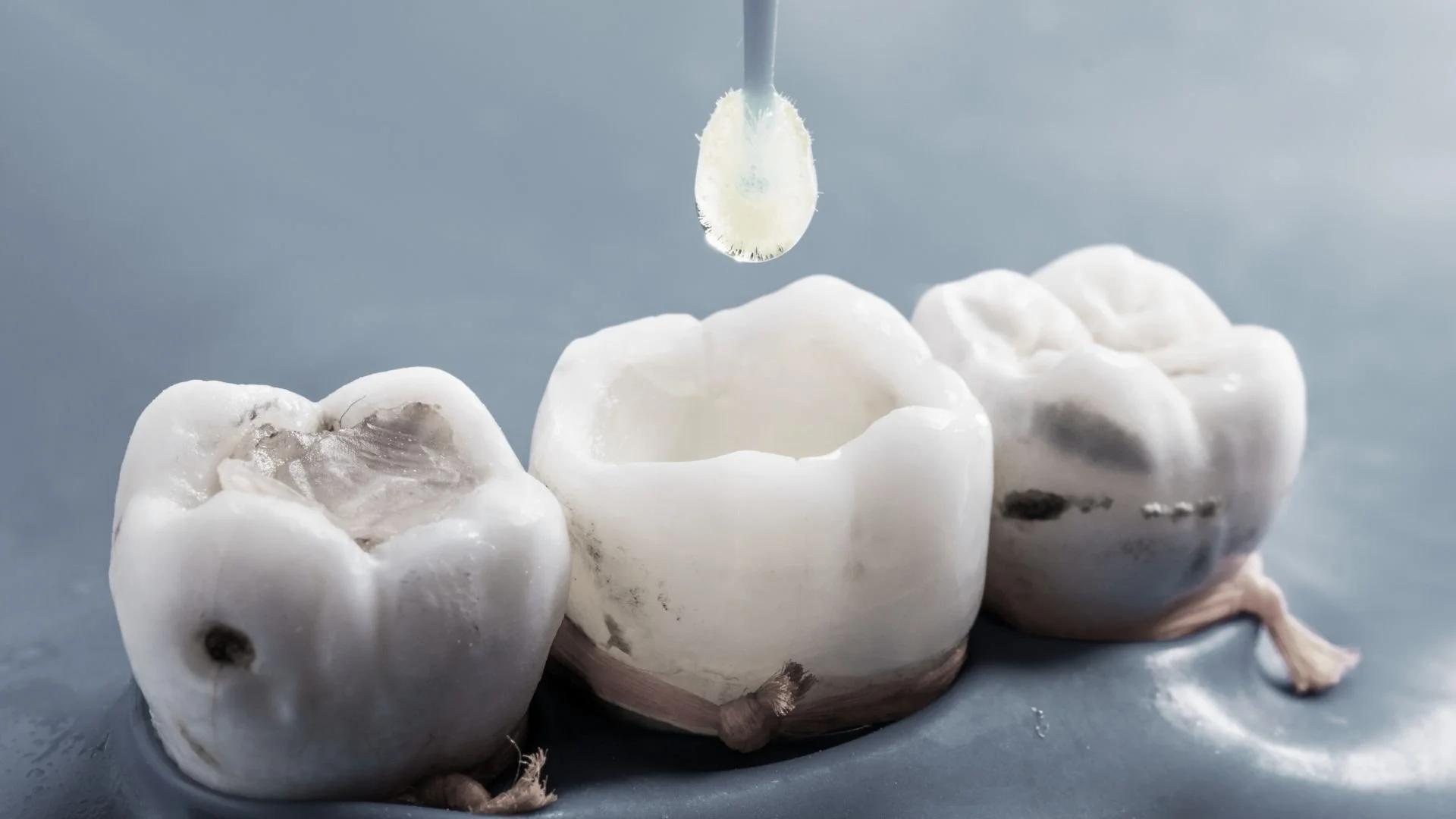
What We Offer
Our Restorations (Fillings) service is designed to protect your teeth from further damage while keeping the experience comfortable, clear and predictable. You’ll see the same trusted dentist, receive step‑by‑step explanations, and leave with a long‑lasting solution that blends seamlessly with your natural smile.
Thorough decay assessment – a detailed examination to identify areas of decay early, understand what caused them, and determine the most conservative treatment approach.
Gentle removal of decay – precise, minimally invasive cleaning of the cavity to stop decay from spreading and preserve as much healthy tooth structure as possible.
High‑quality restorative materials – we offer a range of modern, durable filling materials. Your dentist will recommend the option that best suits your tooth, function, and aesthetic goals.
Careful shaping & sealing – the cavity is cleaned, dried and restored with a secure, natural‑looking filling designed to feel comfortable and function just like a healthy tooth.
Prevention‑focused advice – personalised guidance, product recommendations and habits to help reduce the risk of future decay and maintain strong, healthy teeth.
FAQ
-
You may need a filling when a tooth has early decay, wear, or minor damage. Some signs are easy to notice, while others are completely silent — which is why regular dental check‑ups are so important. Common symptoms include:
Sensitivity to sweets, cold, or sometimes heat
Discomfort or sharp pain when biting or chewing
A visible dark spot, hole, or rough area on the tooth
Food getting stuck in the same place repeatedly
A chipped or worn‑down area that feels different with your tongue
However, tooth decay doesn’t always cause pain or obvious symptoms. Many cavities are small and painless in the early stages, which allows them to progress quietly until they become more complex to treat. During a check‑up, your dentist can spot early decay, take X‑rays if needed, and recommend a filling before the problem becomes larger or painful.
-
No — getting a filling shouldn’t be painful. We use gentle and effective local anaesthesia to ensure the area is completely numb before we begin, so you stay comfortable throughout the procedure. Most patients describe the experience as quick, smooth, and far easier than they expected.
You may feel:
a small pinch when the anaesthetic is applied,
light pressure or vibration from the dental instruments,
but no sharp pain during the treatment.
If you ever feel unsure or need a break, we adjust the pace to keep you relaxed. Our priority is your comfort — especially if you’ve had difficult dental experiences in the past. After the appointment, the tooth may feel slightly sensitive for a short time, but this usually settles quickly.
-
With good oral care, fillings can last many years. Their exact lifespan varies because several factors influence how well a filling holds up over time, including:
The material used
Tooth‑coloured composite fillings look natural but may wear slightly faster than metal ones.Your bite and chewing forces
Teeth that take on more pressure (such as molars or teeth affected by grinding/clenching) may wear restorations down more quickly.The size of the filling
Smaller fillings tend to last longer than larger ones.Daily habits
Good brushing, flossing, and limiting sugary snacks help prevent decay around the edges.Regular dental check‑ups
These allow your dentist to spot early wear or tiny cracks before they become problems.
Even with excellent care, fillings don’t last forever — they can chip, loosen, or develop tiny gaps over time. When this happens, your dentist can replace the filling to protect the tooth and keep it functioning well.
-
Yes — a filling can definitely be replaced. Over time, fillings can wear down, chip, loosen, or develop gaps around the edges. When this happens, the tooth becomes more vulnerable to decay or discomfort. Your dentist can safely remove the old or damaged filling and replace it with a new restoration that:
protects the tooth from further decay,
restores its strength and function,
improves its appearance, especially with modern tooth‑coloured materials,
helps prevent cracks or future complications.
In some cases, if the old filling is very large or the tooth has weakened, your dentist may recommend a stronger option (such as an inlay, onlay, or crown) — but this depends entirely on the condition of the tooth.
Regular check‑ups help detect worn or failing fillings early, so they can be replaced before they cause pain or lead to more complex treatment.
-
Often, yes. Many patients can have several cavities treated in a single visit, especially when the areas of decay are small, straightforward to access, and located in similar parts of the mouth. Treating multiple fillings at once can also be more convenient and may reduce the total number of appointments you need.
However, whether everything can be completed in one session depends on:
How many cavities there are
The size and depth of each one
How accessible the teeth are
Your comfort level during longer appointments
Whether anaesthesia is required in one or multiple areas
During your appointment, our dentist will examine each tooth, review X‑rays if needed, and let you know exactly what’s realistic and safe to complete in one visit. If more than one session is recommended, we’ll space them in a way that keeps you comfortable and prevents unnecessary stress.