
Surgical Extractions
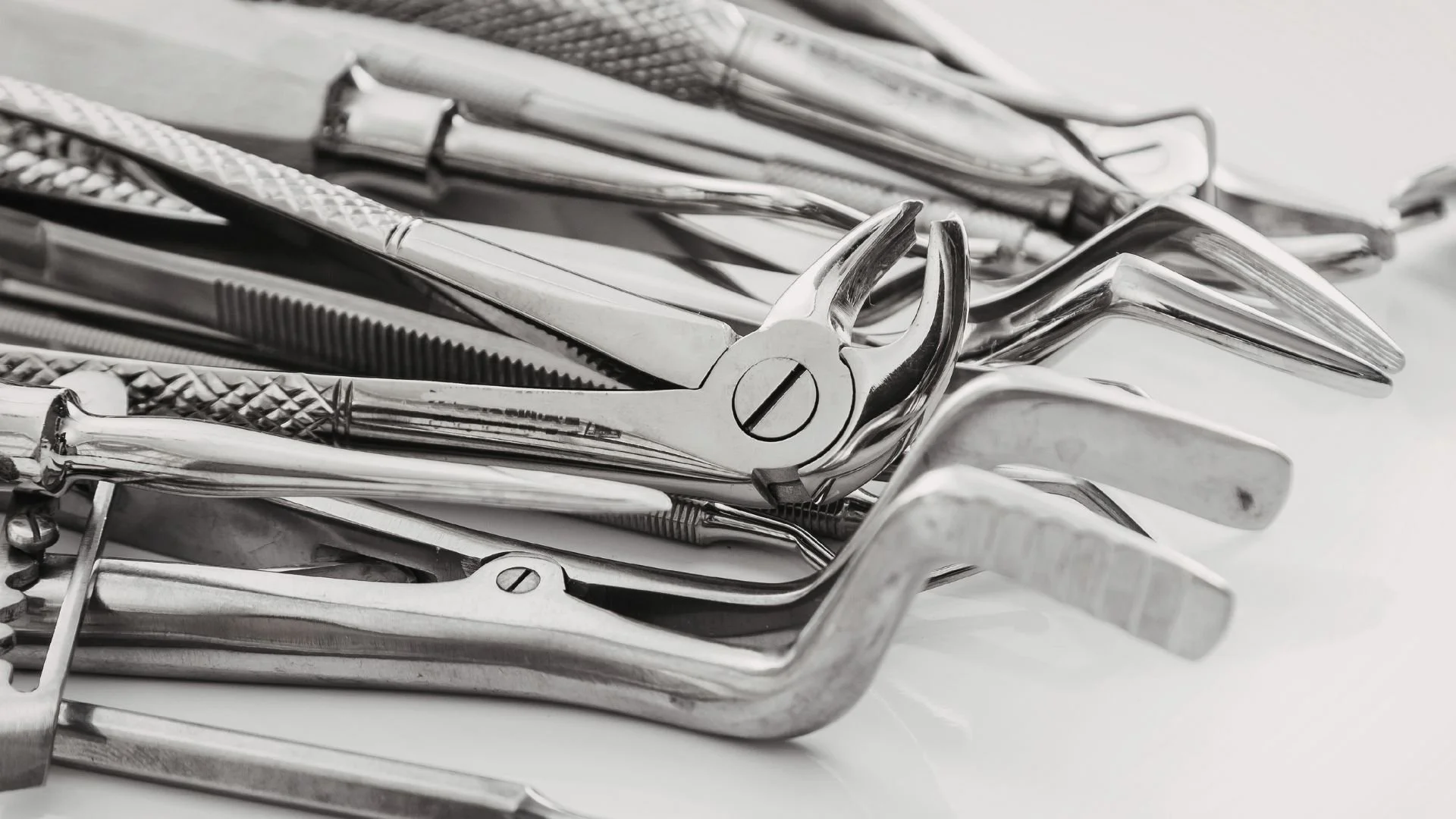
What We Offer
Our Surgical Extractions service is focused on protecting your long‑term oral health while ensuring the process is as comfortable, gentle, and predictable as possible. Tooth removal is always a last resort — our dentist will only recommend extraction when every other option to save the tooth has been carefully considered.
Thorough assessment – a detailed examination and X‑rays (only if clinically indicated) to understand the cause of damage — whether from advanced decay, fracture, or trauma — and to confirm that extraction is truly the most appropriate solution.
Comfort‑first approach – we use effective local anaesthesia and a steady, gentle technique to ensure the procedure feels manageable and as pain‑free as possible. Your comfort and sense of control remain our priority at every stage.
Skilled surgical removal – for teeth that are broken, impacted, or difficult to access, we perform precise surgical extractions designed to minimise trauma to surrounding tissues and support predictable healing.
Guidance on replacement options – if a tooth needs to be removed, we’ll discuss suitable ways to restore your smile — such as implants, bridges, or dentures — so you can maintain comfort, function, and confidence.
Focus on healing & long‑term stability – you’ll receive personalised aftercare instructions, follow‑up support, and advice to promote smooth healing and protect your overall oral health moving forward.
FAQ
-
Tooth removal is always a last resort. Before recommending an extraction, your dentist will complete a comprehensive assessment — including a clinical examination and X‑rays if indicated — to fully understand the condition of your tooth.
During this evaluation, we discuss all possible options to save the tooth, such as:
Root canal treatment
Restorative work (fillings, crowns, onlays)
Temporary stabilisation in cases of trauma or inflammation
Extraction is only advised when no treatment can predictably restore the tooth’s health, function, or long‑term stability. Our goal is always to preserve your natural tooth whenever it is safe and possible to do so.
-
We offer a full range of tooth‑replacement solutions and support you through every step of the process — from the initial extraction to your final restoration. Your dentist will assess your individual needs, explain the benefits of each option, and help you choose the most suitable long‑term solution.
Depending on your situation, we may recommend:
Dental implants for a strong, permanent, natural‑looking replacement
Dental bridges to restore function and aesthetics using the neighbouring teeth
Modern dentures designed for comfort, stability, and a natural appearance
Temporary solutions to ensure you never feel self‑conscious about a visible gap during healing
Our focus is on restoring your bite, improving chewing comfort, and maintaining the natural look of your smile. Because all treatments are provided within our practice, you’ll experience seamless care, clear communication, and predictable results from beginning to end.
-
With effective local anaesthesia, a tooth extraction should be comfortable and pain‑free. You may feel gentle pressure as the tooth is loosened, but you should not feel sharp pain at any point. Throughout the procedure, your dentist works slowly and calmly, checking in with you to ensure you remain at ease.
After the extraction, it’s normal to experience mild soreness or tenderness for a short time. This can usually be managed easily with the recommended pain relief and simple at‑home care. Most patients find their discomfort is minimal and improves quickly over the first 24–48 hours.
-
It’s normal to experience mild discomfort, tenderness, or slight swelling in the first day or two after the procedure. These symptoms are part of the natural healing process and typically settle quickly. Before you leave, we’ll provide clear instructions on pain relief, oral hygiene, and what to expect during recovery, so you feel confident and supported at every stage.
Most patients find that any discomfort is manageable and improves noticeably within the first 24–48 hours. In fact, many feel well enough to return to work or their usual activities the following day, provided they avoid strenuous exercise or anything that could disrupt healing.
-
Healing occurs in stages, and most patients recover more quickly than they expect. Initial healing of the extraction site usually takes 24–48 hours, during which any mild swelling or tenderness begins to settle. Over the following 1–3 weeks, the soft tissues continue to close and strengthen, with the exact timeframe depending on the type of extraction and your individual healing response.
You’ll receive personalised aftercare instructions to support smooth recovery, along with guidance on what is normal and when to seek advice. If needed, we can arrange follow‑up appointments to ensure the area is healing exactly as it should.
-
A missing tooth can affect both the appearance of your smile and the way your bite functions — which is why we discuss replacement options early. Without a tooth in place, neighbouring teeth may gradually shift, and the jawbone in the area can slowly shrink due to lack of stimulation. This is a natural process, but over time it may influence facial structure and make future treatment more complex.
With the right replacement option — such as a dental implant, bridge, or another suitable solution — you can maintain normal chewing, protect your bite, and keep your smile looking natural. We guide you through each option step by step, helping you choose a long‑term solution that supports both aesthetics and oral health.
-
You won’t be left on your own after the extraction, and you won’t be left with a visible gap unless you choose to. We discuss tooth‑replacement options before or immediately after the procedure so you know exactly what the next steps look like.
Depending on your individual case, you may be able to begin planning for a dental implant, bridge, or a temporary removable replacement as soon as the extraction site begins to heal. In many situations, we can even provide short‑term aesthetic solutions to ensure you feel confident throughout the healing phase.
Our goal is to restore your smile as smoothly and predictably as possible, guiding you through each stage — from extraction to final restoration — so you maintain full function, aesthetics, and long‑term oral health.
-
The timing for replacing a missing tooth depends on the type of restoration and how quickly your extraction site heals. Your dentist will assess the area and guide you through the safest and most predictable timeline for your treatment.
Implant: An implant is typically placed once the bone and soft tissue have healed enough to support it — often after a few months. In selected cases, immediate or early implant placement may be possible if conditions are ideal.
Bridge: A bridge can usually be started once the gum has healed, often within a few weeks. This option restores function and appearance without waiting for bone integration.
Temporary solutions: To ensure you’re never left with a visible gap, we can often provide a temporary aesthetic replacement during healing. This maintains your confidence while we prepare your final restoration.
We’ll guide you through each option and explain exactly what is suitable for your individual case, ensuring predictable results and a smooth transition from extraction to a complete, comfortable smile.