
Root Canal Treatment
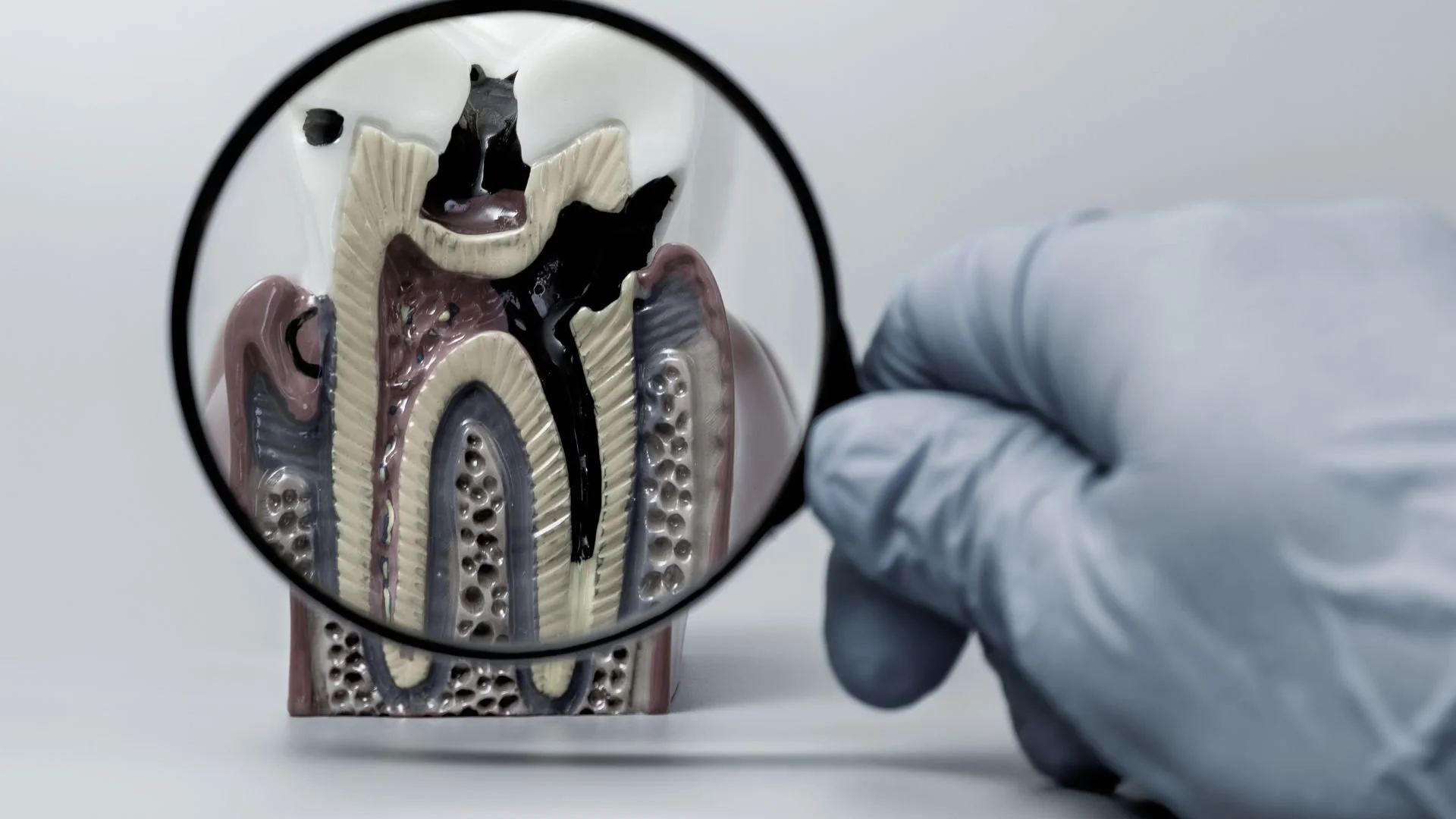
What We Offer
Our Root Canal Treatment is designed to relieve pain, save your natural tooth, and restore comfort with a calm, step‑by‑step approach. You’ll see the same trusted dentist throughout your treatment, receive clear explanations, and experience gentle, modern care focused on preserving as much healthy tooth structure as possible.
Comprehensive assessment – a detailed examination and X‑rays (only if clinically indicated) to understand the source of pain, the extent of infection, and whether root canal treatment is the most appropriate option.
Comfort‑first care – effective anaesthesia and a calm, steady approach ensure the procedure feels manageable, predictable, and far easier than many expect.
Precise removal of infection – careful cleaning and disinfecting of the canals to eliminate bacteria while protecting the remaining healthy tooth structure.
Sealing & strengthening the tooth – once cleaned, the canals are sealed and the tooth is restored, often with a crown, to keep it strong and functional long‑term.
Focus on long‑term health – personalised advice on care, prevention, and follow‑up so your treated tooth stays stable, comfortable, and well‑protected for years.
FAQ
-
A root canal treatment may be needed when the inside of your tooth — the dental pulp — becomes inflamed or infected. While only a dentist can make a definite diagnosis, there are several symptoms that may indicate you should be assessed:
Persistent toothache, especially deep or throbbing pain
Sensitivity to hot or cold that lingers even after the source is removed
Pain when chewing or touching the tooth
Swelling or tenderness in the gums around the tooth
Darkening or discoloration of the tooth
A gum pimple (fistula) that may leak fluid
Swelling in the face or jaw in more advanced cases
It’s important to remember that not all root canal problems cause obvious pain, and some issues are only visible on a dental X‑ray. That’s why a proper examination by a dentist is essential. They can assess your symptoms, take diagnostic images, and confirm whether root canal treatment is the best option for saving your tooth.
-
With effective local anaesthesia, root canal treatment should not be painful. Before we begin, we make sure the tooth and surrounding area are completely numb, so you stay comfortable throughout the procedure. Most patients feel:
vibration from the instruments,
light pressure,
and the sounds of the equipment,
which can feel a little strange or uncomfortable — but not painful.
If you do feel anything sharp or sore at any point, just raise your hand. We can top up the anaesthetic immediately and make any adjustments needed to keep you relaxed.
For anxious patients, we also take extra time to explain each step and move at a pace that feels safe and manageable.
-
Dr Rahul performs every root canal treatment over two separate visits to ensure the highest standard of care and long‑term success.
During the first visit, the tooth is carefully cleaned, shaped, and disinfected. This stage requires time for any remaining bacteria deep within the canals to fully die off — an essential step for preventing reinfection. Completing the entire treatment in one visit may not allow enough time for this process, increasing the risk of future complications.
At the end of the first appointment, Dr Rahul places a temporary crown. This protects the tooth short‑term, but it is not strong or durable enough to function as a permanent solution. Even if you feel no discomfort afterward, it does not mean the treatment is complete — leaving a temporary crown long‑term can lead to cracks, leakage, or reinfection.
The second visit is crucial. During this appointment, Dr Rahul places the final permanent crown, which properly seals and reinforces the tooth. This ensures long‑lasting protection, stability, and full chewing function.
-
In most cases, yes — a crown is strongly recommended after root canal treatment. Once the infected tissue is removed, the tooth becomes more fragile and more likely to crack under everyday chewing forces. To ensure long‑term strength and protection, Dr Rahul completes every root canal in two stages: the initial treatment, followed by placement of a permanent crown.
A temporary crown is placed after the first visit, but it is only a short‑term solution. Even if the tooth feels comfortable and pain‑free, a temporary crown can loosen, leak, or break if left for too long.
The permanent crown is essential because it:
properly seals the tooth,
reinforces the remaining structure,
restores full function and durability,
helps prevent future damage or reinfection.
For these reasons, completing the second appointment and placing the final crown is a crucial part of achieving a stable, long‑lasting root canal outcome.
-
A root canal infection will not heal on its own. Without treatment, the problem gradually worsens and can lead to several serious complications.
Over time:
Pain may increase, becoming more frequent or severe.
The infection can spread to the jawbone or surrounding tissues, causing swelling or abscesses.
The tooth will eventually become too damaged to save and will need to be removed.
In more advanced cases, the infection can lead to bone infection (osteomyelitis), causing further deterioration of the jawbone.
Once the tooth is lost, the empty space leads to progressive bone loss, which makes future restoration more complex.
Replacing a lost tooth often requires more involved and costly treatment — such as bone grafting, followed by a dental implant or another prosthetic option.
Early root canal treatment stops the infection, prevents bone loss, and gives your natural tooth the best chance to stay healthy for many years.
-
Yes — a root canal can be performed incorrectly. When this happens, bacteria may be left inside the canals or new bacteria may be able to enter again. This can lead to persistent or recurrent symptoms such as:
ongoing pain or sensitivity,
swelling or abscess formation,
continued inflammation in the bone around the root,
or the need for retreatment.
In more severe cases, if the infection cannot be resolved, the tooth may eventually become impossible to save and require extraction.
This is why precise technique, thorough cleaning, and proper sealing of the canals are essential for long‑term success.
At our practice, root canal treatment is one of Dr Rahul’s key areas of special interest. His technique is highly meticulous and intentionally conservative — he creates small, precise access openings to preserve as much natural tooth structure as possible, which improves the tooth’s strength and final outcome.
We use detailed diagnostics, modern instrumentation, and a calm, step‑by‑step approach to ensure the canals are fully cleaned, shaped, and sealed. This helps maximise the success of the treatment and supports the long‑term health and comfort of your natural tooth.